
- Mesenchymal stem cell therapy for IBD offers a promising new treatment option for people with inflammatory bowel disease (IBD).
- How does mesenchymal stem cell therapy for IBD work?
- What studies are available on stem cell therapy for IBD?
- What happens next?
- What are the benefits and risks of MSC therapy?
- Conclusion: Mesenchymal stem cell therapy for IBD
- Sources
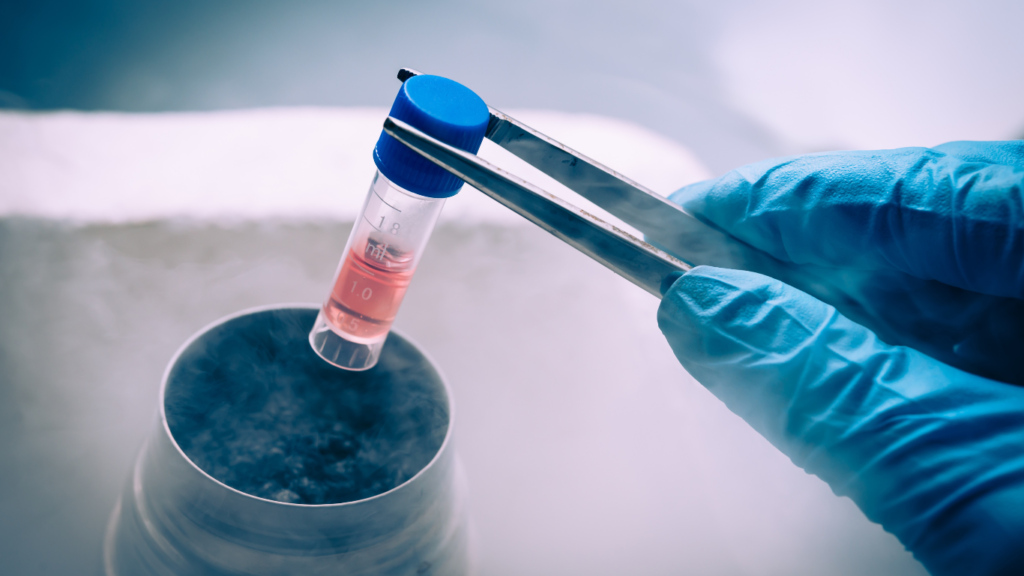
Mesenchymal stem cell therapy for IBD offers a promising new treatment option for people with inflammatory bowel disease (IBD).
MSCs are special stem cells that are obtained from bone marrow, fatty tissue or umbilical cord blood and have the ability to Modulate inflammation and regenerate damaged tissue.
But what are the latest research findings - and what does this mean for future treatment options?
How does mesenchymal stem cell therapy for IBD work?
MSCs work by reducing the Regulate the immune system. You can reduce pro-inflammatory cytokines (proteins released by cells) and at the same time the Promote the production of anti-inflammatory substances. This dual effect can be particularly beneficial for IBD, as chronic inflammation is the main problem.
In addition, MSCs can also migrate directly into the inflamed tissue and promote healing processes there - by repair damaged cells and regenerate the tissue.
What studies are available on stem cell therapy for IBD?
💡 Initial clinical studies have shown promising results. Patients who were treated with MSCs reported a significant improvement in their Reduction of symptoms such as abdominal pain and diarrhea as well as improved quality of life.
Some studies have even found evidence that the therapy Long-term remissions can promote. However, different response rates were also observed - indicating that not all patients respond equally well to treatment.
What happens next?
The future of stem cell therapy for Crohn's disease & ulcerative colitis
At the moment, MSC therapy is still at the beginning of its development. Further research is needed to fully understand its safety and long-term effects.
Some of the current challenges:
- Determine the optimum dosage
- Find a suitable route of administration
- Minimize possible side effects
However, there are already a number of ongoing studies dealing with precisely these questions.
What are the benefits and risks of MSC therapy?
MSC therapy could represent a revolution in the treatment of IBD - by providing a Natural and targeted method for reducing inflammation offers.
This is particularly important for patients who:
- do not respond sufficiently to conventional therapies
- or do not tolerate them
As research continues to progress, many hope that this innovative treatment will soon become a common option for IBD sufferers.
Conclusion: Mesenchymal stem cell therapy for IBD
Mesenchymal stem cell therapy for IBD represents a promising new direction in the treatment of IBD.
👉 Stay informed and talk to your doctor regularly about new treatment options.
We will keep you up to date with the latest developments in MSC therapy.
Sources
- Huldani et al. (2022): Immunotherapy of inflammatory bowel disease (IBD) through mesenchymal stem cells
- Wei et al. (2024): Mesenchymal Stromal Cells: New Generation Treatment of Inflammatory Bowel Disease
If you are interested in how you can travel more flexibly with the Euro key, read our article: How the Euro key makes CED sufferers more flexible when traveling
 Deutsch
  English
  Español
  Français
  Português