
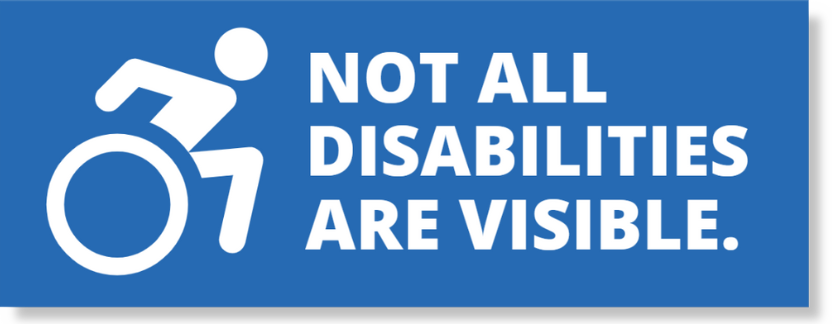
Keywords: Disability status CED, degree of disability Crohn's disease, GdB ulcerative colitis, severe disability certificate CED, advantages of disability status, compensation for disadvantages CED, chronic inflammatory bowel disease
Are you eligible for disability status with IBD?
Chronisch-entzündliche Darmerkrankungen (CED) wie Crohn's disease and Ulcerative colitis können den Alltag erheblich beeinträchtigen. Doch hast du ein Anrecht auf einen Behindertenstatus? Und welche Vorteile bringt er dir? In diesem Leitfaden erfährst du alles Wichtige zum Antrag, dem Grad der Behinderung (GdB) und möglichen Nachteilen.
1. are you entitled to disability status with IBD?
Yes, people with IBD can be granted disability status. The decisive factor is the extent to which the disease affects everyday life. The criteria for assessment are set out in the Medical care directory (VersMedV) regulated.
In principle, the following applies:
- A GdB from 20 to 40 is usually awarded for mild, well-controlled courses.
- A GdB of 50 or more (severely disabled status) can be achieved in cases of severe and frequent relapses with considerable restrictions in everyday life.
2. what percentage of GdB can you get?
The amount of the Degree of disability (GdB) depends on several factors:
| Impairment | Typical GdB |
|---|---|
| Mild symptoms, rare relapses | 20 – 30 |
| Regular relapses with moderate restrictions | 40 – 50 |
| Severe form with severe impairment | 60 – 80 |
| Very severe course, frequent hospital stays | 90 – 100 |
Additional complaints such as fistulas, surgical interventions or psychological stress can further increase the GdB.
3. what advantages does disability status bring you?
A recognized Disability status or Severely disabled person's pass can give you various advantages:
- ✔ Tax advantages: Higher lump sum for tax returns
- ✔ Protection under labor law: Increased protection against dismissal and additional leave
- ✔ Compensation for disadvantages: discounts on public transport, discounts at cultural institutions
- ✔ Priority protection for applicationsEmployers with more than 20 employees must give priority to severely disabled persons
- ✔ Retire earlierDepending on the GdB, an early retirement pension may be possible
4. how do you apply for disability status with CED?
The application for determination of the GdB is submitted to the responsible Supply authority of your federal state. You can submit the application online or by post submit.
- You need these documents:
- 📌 Medical findings (diagnosis, course, restrictions)
- 📌 Hospital reports or OP documentation
- 📌 Documentation of your restrictions in everyday life
- 📌 Form from the supply authority (available online)
Tip: Ask your doctor for a Detailed assessment what impact the disease has on your life. This increases the chances of success!
5 How does the application process work?
1️⃣ Fill out application and send it with all documents to the pension authority
2️⃣ Assessment by the pension officeoften without personal examination
3️⃣ GdB decision received - If you do not agree, you can Lodge an objection
The processing time is usually 3-6 months. If you receive a severely disabled person's pass, this is usually valid for Valid for 5 years.
6. do I have to inform my employer of my disability status?
No! There is no legal obligation to inform your employer of your disability status. However, you can benefit from the following Advantages in the workplace benefit if you share it:
- ✔ 5 days additional leave per year (from GdB 50)
- ✔ Improved workplace design (e.g. height-adjustable desk)
- ✔ Protection against dismissal
If you Fear of discrimination you can contact the Representative body for severely disabled employees or the works council get advice.
7. are there any disadvantages due to the disability status?
Disability status brings many advantages, but there are also Potential disadvantages:
- ❌ Occupational stigmatizationSome employers may have prejudices (not legally permissible, but possible)
- ❌ Problems with private insuranceSupplementary insurance (e.g. occupational disability insurance) can be more expensive
- ❌ Increased bureaucratic effortAnnual certificates or renewals required
If you no longer want the disability status, you can Return at any time.
Conclusion: Is it worth applying for disability status with IBD?
A disability status can bring you many advantages, especially in the case of more severe courses of Crohn's disease or ulcerative colitis. Whether it is worthwhile depends on the individual course of your illness.
➡ Tip: If you are unsure whether you should submit an application, speak to a specialist lawyer for social law or a patient association such as the German Crohn's Disease/Ulcerative Colitis Association (DCCV) (www.dccv.de).
Do you have any experience with the application? Share them in the comments! 😊
Related article: Find out how the Euro key makes CED sufferers more flexible when traveling.
Helpful external links
- 📌 Official Medical Care Ordinance (VersMedV): Federal Ministry of Labor and Social Affairs - Status: September 2024
- 📌 DCCV e.V. - Patient organization for CED: www.dccv.de
- 📌 Social Code IX - Rights of people with disabilities: Laws on the Internet
- 📌 Overview of pension offices by federal state: Social Portal Germany
How did you like this article?
I have not yet applied for a disability card, but will do so. Clear article with all the important information 🙂

 Deutsch
  English
  Español
  Français
  Português
Leave a Comment