
What are the possible causes of persistent tiredness?
In principle, several causes, such as disease activity, psychosomatic symptoms, medication or a nutrient deficiency, can contribute to fatigue. This article sheds light on deficiency symptoms, particularly a lack of vitamin B12, vitamin D or iron, which often leads to a state of exhaustion in IBD sufferers.
How does a nutrient deficiency occur?
Especially when the intestine is inflamed during an episode, the reduced surface area of the intestinal mucosa can no longer properly absorb nutrients and energy supplied by food. In addition, many sufferers also have a loss of appetite, which can lead to reduced food intake and thus also to a lack of nutrients. The same applies to certain medications, diarrhea or intestinal areas removed by surgery.
What are vitamins and minerals important for?
Many IBD sufferers are deficient in vitamin A, vitamin D, vitamin B12, folic acid, iron, zinc, magnesium and calcium. In addition to the persistent tiredness and exhaustion already mentioned, this can also lead to metabolic disorders, sleep and concentration disorders, night blindness, wound healing disorders and immunodeficiency.
How can I prevent a nutrient deficiency?
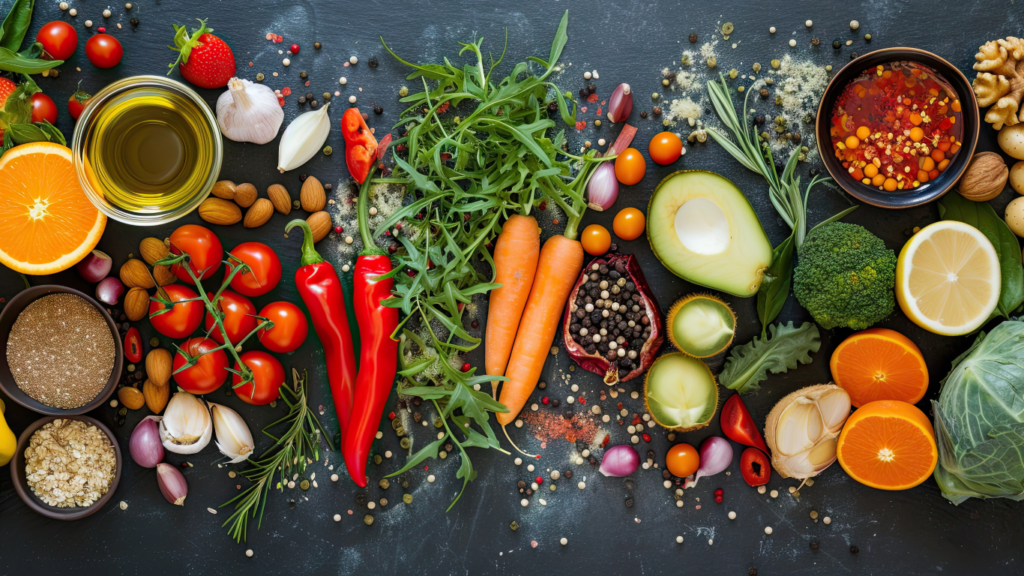
The following foods can help people with IBD to prevent a deficiency of vitamin A, vitamin D, vitamin B12, folic acid, iron, zinc, magnesium and calcium.
- Vitamin A: eggs, dairy products, fish, pumpkin, carrots, spinach, sweet potatoes, red peppers, mango, honeydew melon, apricots and lamb's lettuce
- Vitamin D: fish, eggs and dairy products such as cheese or butter
- Vitamin B12: meat, fish, seafood, sauerkraut, dairy products and eggs
- Folic acid: vegetables such as spinach, lettuce and tomatoes, nuts, pulses, wholegrain products, oranges and potatoes
- Iron: Meat, fish and poultry
- Zinc: whole grain products, peanuts, beans and meat
- Magnesium: pumpkin, rice, almonds and beans
- Calcium: wholegrain products, dairy products, mineral water and green vegetables such as broccoli or kale
What should I do if I suspect a nutrient deficiency?
In order for a nutrient deficiency to be treated effectively, it is important that it is diagnosed by a doctor. This is usually done by means of blood tests, which provide reliable results after just a few days. Based on these results, your doctor can then prescribe additional supplements or make additional recommendations. Depending on the severity of the deficiency, an infusion may also be necessary in the case of a drastic iron deficiency, for example. Apart from this, your doctor can also put you in touch with a nutritionist if necessary.
Conclusion
It is always crucial to check your body's nutrient balance regularly and to compensate for any deficiencies with the appropriate supplements, infusions or diet. Apart from this, a healthy and wholesome diet tailored to the disease is generally recommended for living with IBD, as a good micronutrient balance is not only crucial for disease activity, but also for general well-being.
Sources
- Abbvie-care. (2025, February 12). Endless exhaustion: fatigue in IBD. Retrieved from https://www.abbvie-care.de/news/endlose-erschoepfung-fatigue-bei-ced/
- Bastian (2021, March 25). A lack of nutrients further weakens people with IBD. Retrieved from https://www.deutschesgesundheitsportal.de/2021/03/25/naehrstoffmangel-schwaecht-menschen-mit-ced-zusaetzlich/
- CED-despite-me. (2018, March 26). CIBD: Risk of an empty nutrient balance. Retrieved from https://www.ced-trotzdem-ich.de/unterstuetzung-erhalten/news/ced-risiko-leerer-naehrstoffhaushalt
- CED-despite-me. The most important vitamins and minerals for IBD. Retrieved from https://www.ced-trotzdem-ich.de/ernaehrung-bei-ced-wichtige-vitamine-und-naehrstoffe
- CED Compass. Deficiency symptoms with IBD. Retrieved from https://ced-kompass.at/dein-leben-mit-ced/ced-und-ernaehrung/mangelerscheinungen/
- CED-despite-me. Vitamin deficiency in IBD. Retrieved from https://www.ced-trotzdem-ich.at/alltag-mit-ced/ern%C3%A4hrung/vitaminmangel-bei-ced
- Rehberg, C. & Waxenegger, C. (2024, April 25). Common nutrient deficiencies in chronic inflammatory bowel disease. Retrieved from https://www.zentrum-der-gesundheit.de/krankheiten/magen-darm-erkrankungen/ced-uebersicht/ced-naehrstoffmangel
For more information on a balanced and well-tolerated diet, read our article: Nutrition for IBD: 14 tips for a healthy diet
 Deutsch
  English
  Español
  Français
  Português